


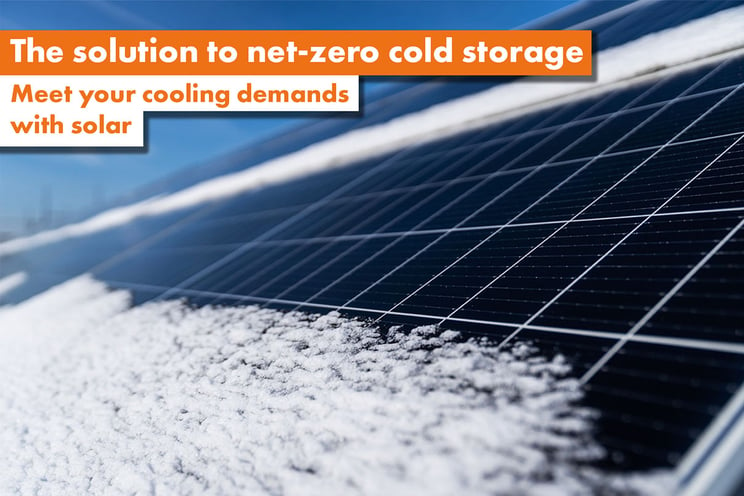
Spirit Energy's 695 kWp installation at Philip Dennis Foodservice in Oxfordshire, split across a distribution warehouse and a cold store, is projected to save the business more than £85,000 a year on electricity with a five year payback and an IRR above 23%. Cold storage suits solar unusually well because refrigeration runs continuously, so almost every unit generated is consumed on site rather than exported at a lower rate. Self-consumption, not roof orientation or panel efficiency, is what drives commercial solar returns.
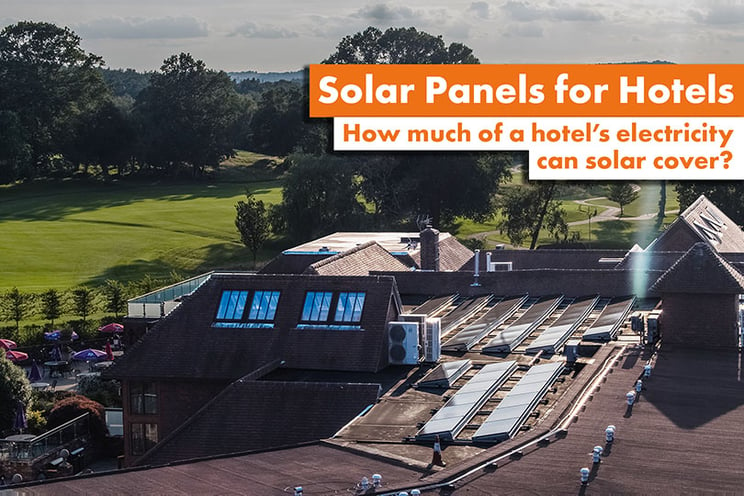
No UK hotel of ordinary density runs on solar power alone, and the reason is storeys rather than sunshine. Roof area per bedroom is the binding constraint: a two-storey country house hotel has twice the roof per bedroom of a four-storey city hotel, so it can cover roughly twice as much of its electricity. Realistic figures run from about a tenth of annual electricity on a tall urban building to about half on a low, sprawling site.
Topics: Solar PV, Benefits of Solar PV
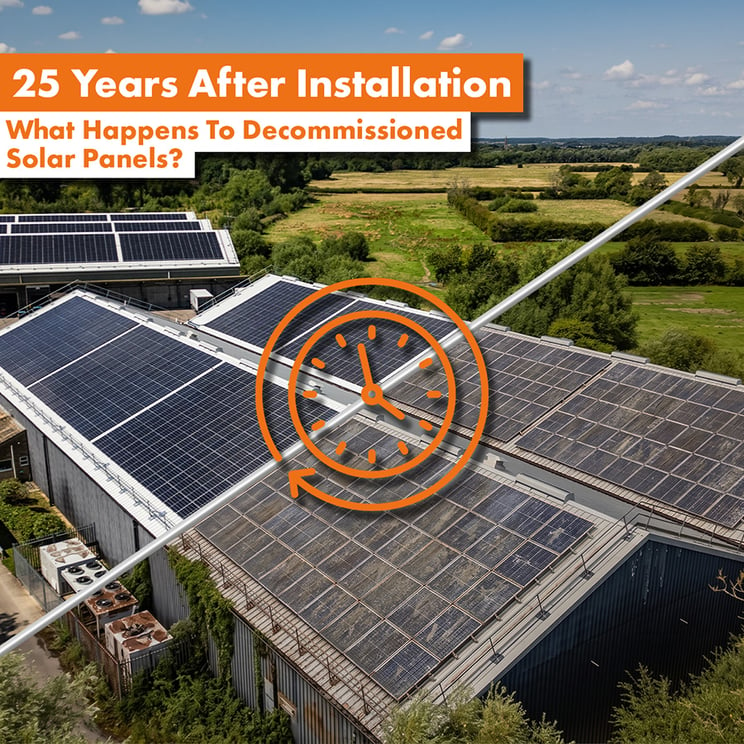
A commercial solar array does not stop generating after 25 years. The average panel degrades by around 0.5% each year, so a system installed on day one is typically still producing roughly 87% of its original output twenty five years later. The real planning question for a Finance Director or Operations Manager is not whether the array survives that long. It is what happens to those panels, and what the business is required to do, once they are retired.
Topics: Maintenance, Solar PV, Benefits of Solar PV
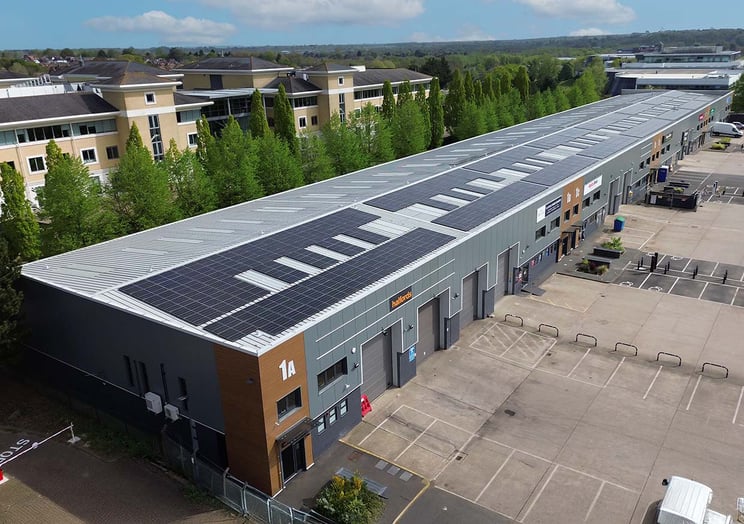
With energy markets in flux and corporate ESG reporting tightening, solar and battery systems are becoming cornerstone assets for UK businesses. In 2025, government-backed grants, capital incentives, and energy export payments are accelerating payback times and helping organisations strengthen both their sustainability and financial positions.
Topics: Benefits of Solar PV
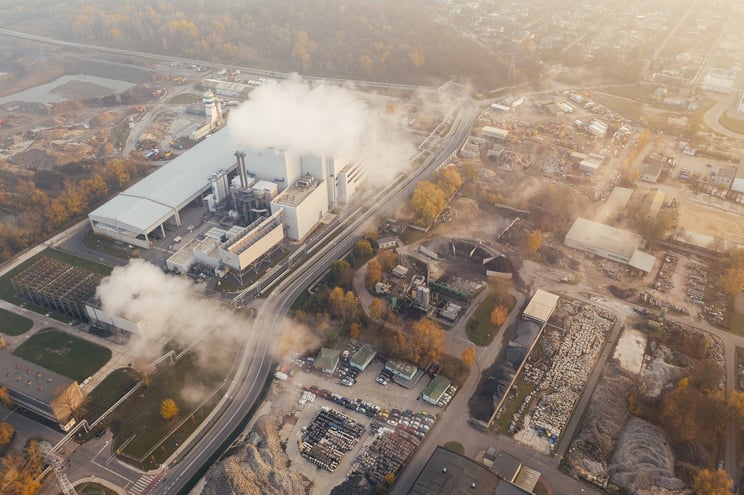
Sustainability has become a major buzzword in the corporate world, with increasing numbers of companies pushing the green agenda both in the boardroom and in their branding. But what benefits does this bring for companies, and with governments increasingly bearing down on Net Zero ambitions, are companies legally required to publish data on their carbon footprint?
Topics: Environment, Benefits of Solar PV