


TL;DR
Solar is not just about lowering your electricity bill. It is a long-term hedge that reduces your household’s exposure to unpredictable energy prices, similar to holding gold for protection rather than speculation.
The Real Problem: You Have Almost No Control Over Electricity Prices
Electricity is one of the few household costs with very limited levers. Mortgages can be refinanced. Homes can be insulated. Cars can be changed. But reducing electricity spend without reducing quality of life is difficult. UK electricity pricing is shaped by wholesale markets, global gas prices, government policy, grid constraints, and the ongoing cost of maintaining the network. Households do not get a vote on any of it.
Doing Nothing Is Not Neutral: It Is a Long-Term Risk Decision
Choosing not to install solar means remaining fully exposed to grid electricity prices for the next 20 to 30 years. That is not a passive position. It is an active decision to accept volatility and long-term inflation in a core, unavoidable living cost. The status quo feels normal only because people are used to electricity getting more expensive over time.
Solar as a Hedge Against Energy Inflation
Solar is not a bet that electricity prices will explode. It is protection in case they do. A properly designed and installed solar system turns a portion of household consumption into self-supplied electricity, reducing reliance on externally priced energy. From the point of view of the household balance sheet, that is straightforward risk reduction.
What If Electricity Prices Fall?
Even if electricity prices fell, the system still generates electricity every day. The return does not turn negative. It simply takes longer to hit a target payback or ROI. The only scenario where a solar system “loses” is if it fails due to poor equipment choices or poor workmanship. That is why design quality, installation standards, and aftercare matter.
Fixing Part of Your Electricity Price for 25 Years
Solar panels are typically warrantied for 25 years, and well-installed systems often keep operating beyond that. Installing solar effectively fixes part of a household’s electricity cost for decades, because a large portion of energy is produced on-site at a known, upfront cost. No UK energy supplier offers anything comparable to a 25-year fixed electricity price. Households accept fixed-rate mortgages as normal. Solar applies the same logic to energy.
Real Numbers: A Reading Home With Solar and a Tesla Powerwall 3
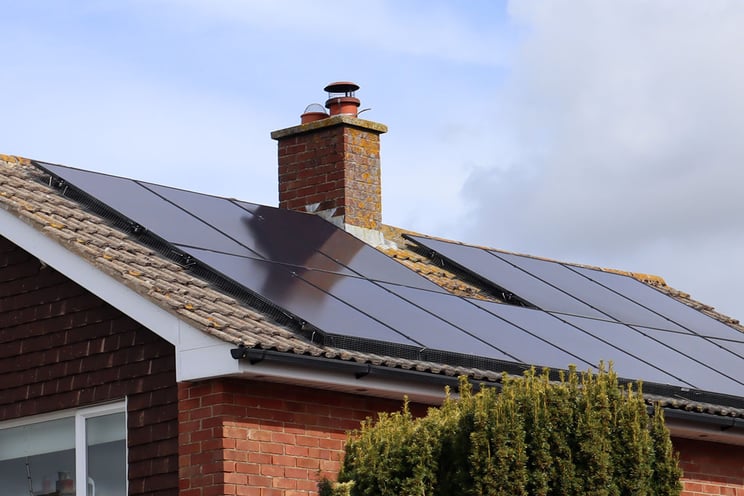
Spirit Energy installed a residential system in Reading with 22 solar panels (8.8 kW) and a 13.5 kWh Tesla Powerwall 3 battery. The homeowner had been spending £2,040 per year on electricity. In the first year, the system delivered £1,869 of total value, reducing the effective annual electricity cost to £171.
The installation cost was around £17,000 due to a slate tile roof, which takes longer and costs more to work on. A more typical price for a similar system would be closer to £15,000. At £17,000, the forecast rate of return was 13.8% with a payback period of six to seven years, assuming electricity prices continue to rise at 7.2% per year, consistent with average annual electricity inflation between 2004 and 2024.
Why Payback Period Is Useful But Not The Full Story
Payback period is a simple metric, but it misses the long-term value of avoided electricity purchases. Net present value (NPV) looks at the electricity the household will not need to buy in future and values it in today’s money. That matters because electricity avoided in 10, 15, or 20 years is likely to cost more than electricity today due to inflation. Solar is one of the few home upgrades where those avoided costs are measurable and tied to an asset with a long warranty.
Solar Returns Are Tax Efficient
Solar does not generate returns in the conventional way. It reduces future spending. That means there is no capital gains tax on the savings created by using solar electricity instead of buying it from the grid. When comparing solar to other investments, it is important to compare after-tax outcomes, because solar keeps its full value inside the household.
The Hidden Benefit: Control and Stability
Beyond the numbers, many homeowners value the shift from uncertainty to control. A household becomes less exposed to price shocks and less dependent on the market. Bills become lower, more stable, and easier to plan for. For many, that reduction in uncertainty is as valuable as the financial return.
“What If We Move House Before It Pays Back?”
This concern is common and understandable, but it often rests on a false assumption that the only benefit is reaching a full payback while living in the property. In practice, solar reduces bills immediately and can improve the desirability of a home by lowering running costs. Panels also come with long warranties, so the next homeowner is buying into an asset that is still within its prime operating life. And the system itself can raise the value of your home.
Solar as Part of a Diversified Household Portfolio
Households often diversify through property, pensions, ISAs, and cash. Yet many remain fully exposed to long-term electricity inflation. Solar reduces that exposure by converting part of an externally priced, volatile cost into predictable self-generation from a long-life asset. That is why solar can be viewed not just as a home improvement, but as a practical hedge within a household’s broader financial strategy.
What To Do Next: Get A Proper Design and Forecast
Solar works best when it is designed around the property, usage profile, roof constraints, and tariff strategy. Spirit Energy provides bespoke, technical quotations that focus on maximising return and reducing risk, with clear modelling of expected savings and performance. For households considering solar or battery storage, the right next step is a tailored design that shows what portion of consumption can realistically be covered and what that means for long-term cost control.