

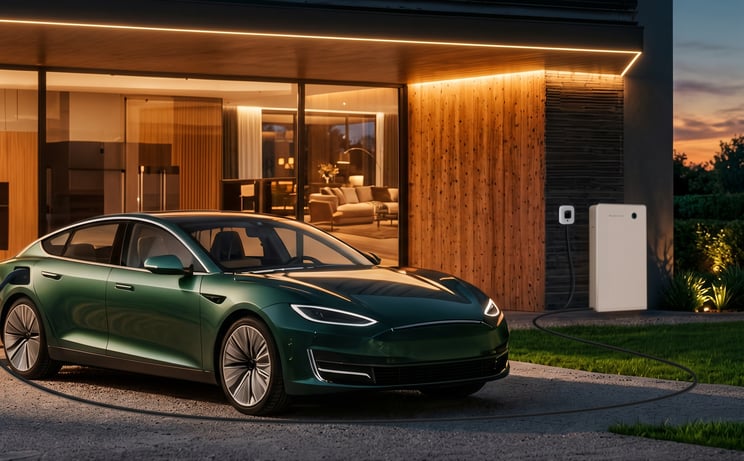
The Sigenergy SigenStor is a modular home battery system that combines a solar inverter, a battery inverter and energy management in one stacked unit, with up to six battery modules giving a maximum of 52.56 kWh of usable storage per stack. Its biggest strength is flexibility, because you can mix module sizes and add storage years after installation. Its biggest catch is that the inverter rating is fixed, so the one decision you can't easily change later is the one to get right first.
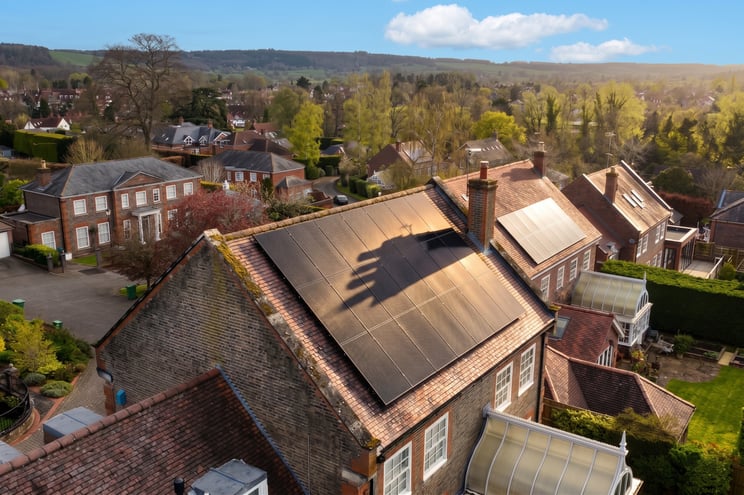
Shade reduces solar output in steps rather than gradually, because a single shaded cell on a standard panel can switch off a third of it. On most UK homes the cheapest fixes are design decisions that cost nothing: mounting panels to suit the direction the shadow runs, and putting shaded panels on their own inverter input. During testing, micro inverters recovered 40 to 50% of the output lost to shade, so they are worth fitting only when that extra generation pays back comfortably inside the warranty period.
Topics: Solar PV, Calculator, Inverters, Benefits of Solar PV
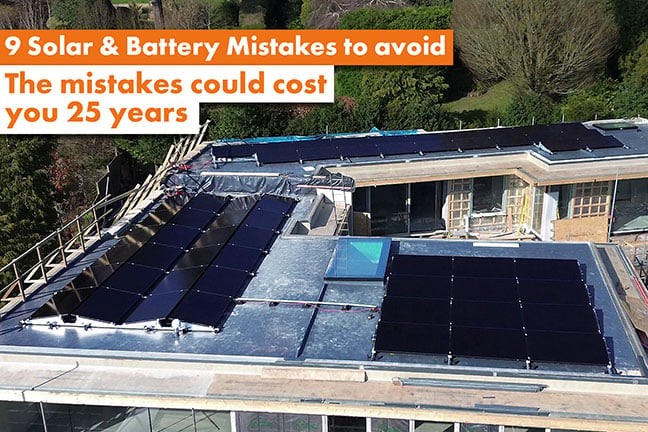
These nine mistakes account for most of the money lost on a UK solar and battery installation, and nearly all of them are made at the quotation stage rather than on the roof. The most expensive is fitting fewer panels to bring the price of a quote down, because the panels themselves are only around 5 to 10% of the total cost of the job. Spirit Energy has designed and installed these systems since 2010, and the same errors still turn up in the quotes homeowners bring in for a second opinion.
Topics: Battery storage, Maintenance, Tariffs, Solar PV, Tesla Powerwall, Inverters, Benefits of Solar PV
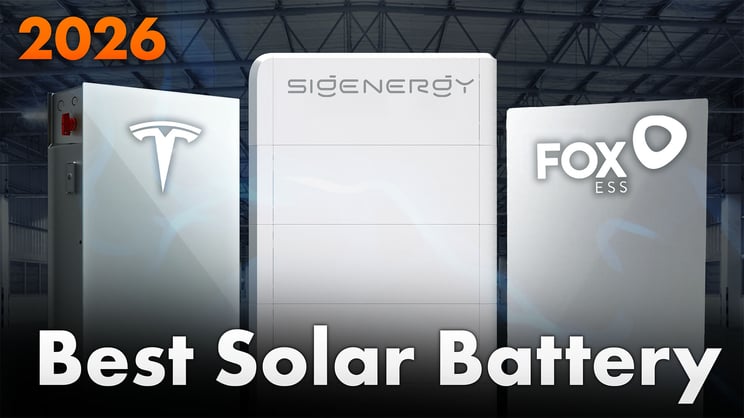
The installed price gap between the Tesla Powerwall 3, Sigenenergy SigenStor, and Fox Evo is under 4% when measured on cost per usable kilowatt-hour of storage. Spirit Energy has installed all three, including the first Powerwall 3 commissioned in the UK, and the honest conclusion is that price alone should not drive this decision.
Topics: Battery storage, Off grid, Tesla Powerwall, Inverters
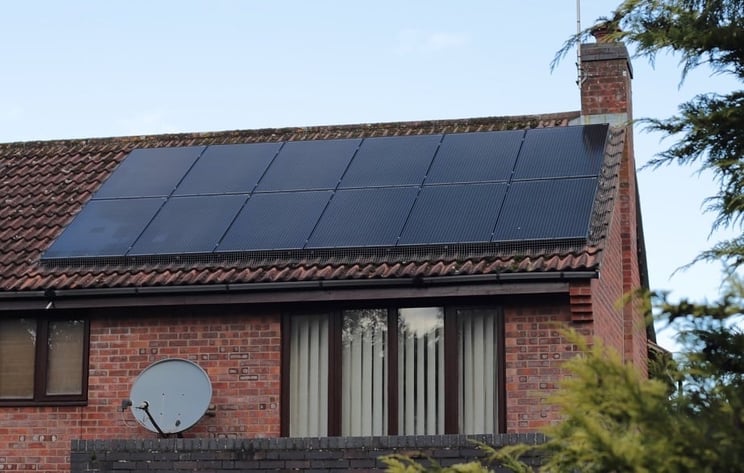
We often get enquiries from people who already have solar panels installed on their roof, but are keen to increase the amount of renewable energy they can produce. This might be because they had a battery fitted, or maybe their consumption has gone up with a new heat pump or electric car.
So what steps are there to overcome if you want to add more solar panels to your existing system to try and reduce your electricity bills even further?
Topics: Battery storage, Tariffs, Solar PV, Inverters
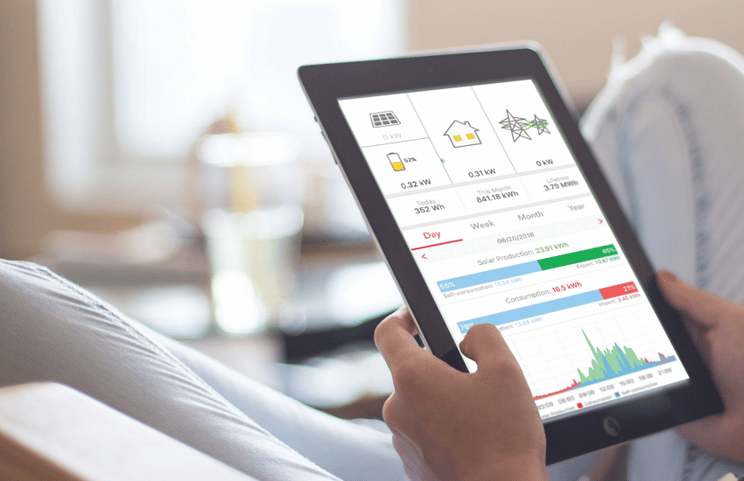
Image: SolarEdge.
Since solar panels are static, there’s little to actually, well, see when they’re generating. Sure, it’s nice to start receiving smaller energy bills but, if you’re like most of our customers, you’ll want to dig into the performance data every now and then.
As well as checking when the most solar power is being generated (a useful reminder to turn on the dishwasher and make the most of that free electricity), solar monitoring is great for reviewing past output and comparing performance. Sudden drops can indicate faults that need fixing, or help assess if it’s worth giving the panels a clean.
Wondering which solar PV monitoring solutions are the best? Read on...
Topics: Solar PV, Tesla Powerwall, Inverters
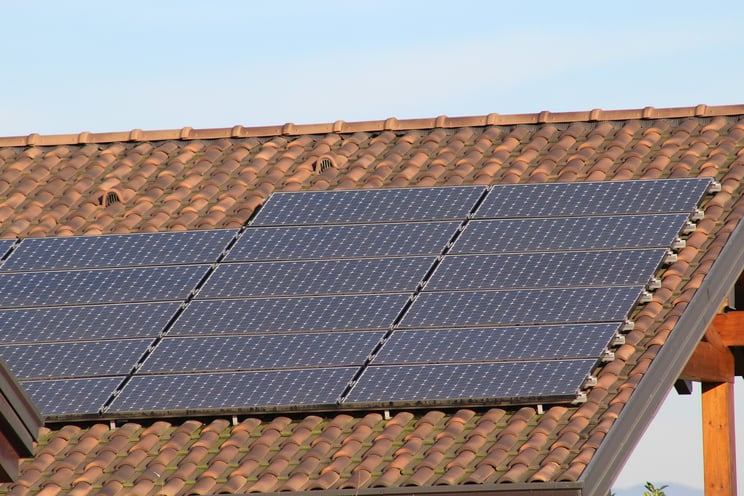
Some of our clients are surprised to learn that there can be limits on the number of solar panels they can get on their roof, beyond the obvious physical and cost limitations. In fact, for solar PV systems over a certain size, grid permission is needed before installation can go ahead.
In this post, we’ll explore how many solar panels you’re allowed to install without prior permission, and how we can help you determine the maximum possible allowance for your property.
Today we’re going to answer some common questions around sizing solar PV systems, including the conditions that affect ‘clipping’ and achieving the maximum rated output.
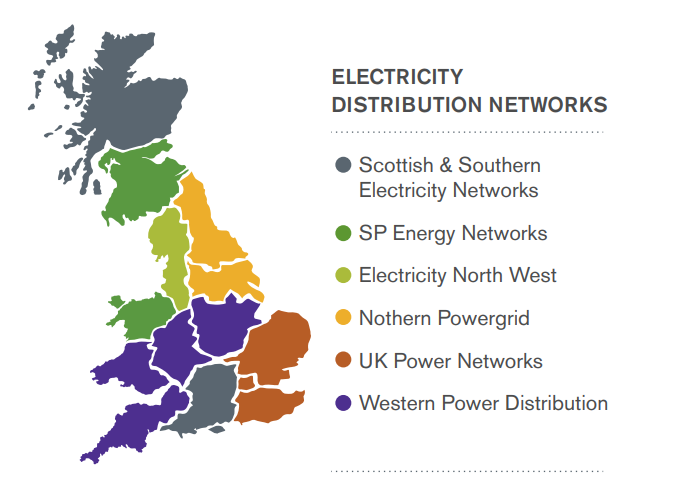
Image: Ofgem.
What is DNO permission and when do you need it?
The DNO or distribution network operator is the company responsible for distributing electricity from the National Grid to your home or business. In the UK there are 14 different district networks or DNO regions which are owned by six groups. For our installation zone, the distribution network operators which we are concerned by are Scottish & Southern Electricity (SSE), UK Power Networks (UKPN), and Western Power Distribution (WPD).
Topics: Battery storage, Solar PV, Inverters
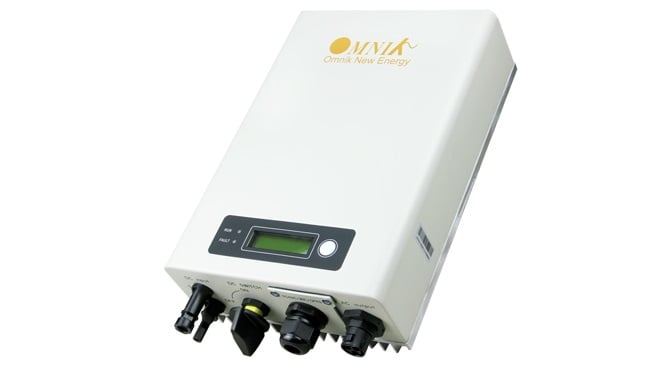
The inverter is the heart of a PV system. It’s the crucial interface between your solar panels and the rest of the home, batteries or national grid. Aside from converting DC solar power into usable AC, it houses many of the system’s safety features and performance monitoring.
Given it’s such an important component, let’s talk about how to choose a solar inverter. What do you have to consider, and which is the best model?