



Spirit Energy's 695 kWp installation at Philip Dennis Foodservice in Oxfordshire, split across a distribution warehouse and a cold store, is projected to save the business more than £85,000 a year on electricity with a five year payback and an IRR above 23%. Cold storage suits solar unusually well because refrigeration runs continuously, so almost every unit generated is consumed on site rather than exported at a lower rate. Self-consumption, not roof orientation or panel efficiency, is what drives commercial solar returns.
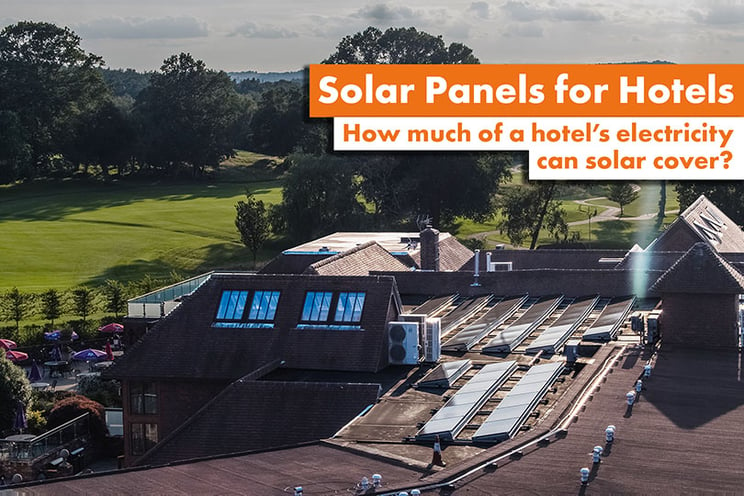
No UK hotel of ordinary density runs on solar power alone, and the reason is storeys rather than sunshine. Roof area per bedroom is the binding constraint: a two-storey country house hotel has twice the roof per bedroom of a four-storey city hotel, so it can cover roughly twice as much of its electricity. Realistic figures run from about a tenth of annual electricity on a tall urban building to about half on a low, sprawling site.
Topics: Solar PV, Benefits of Solar PV
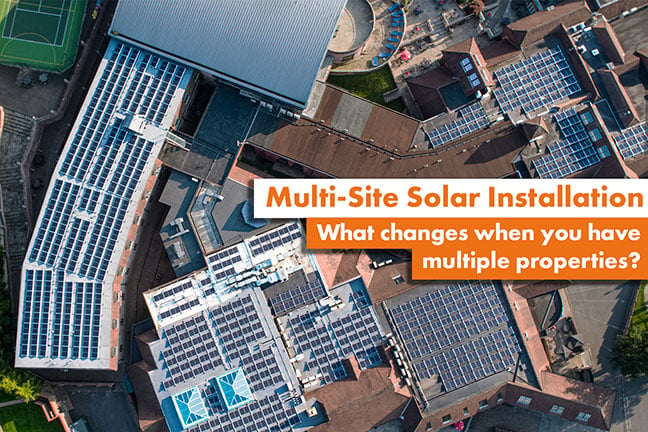
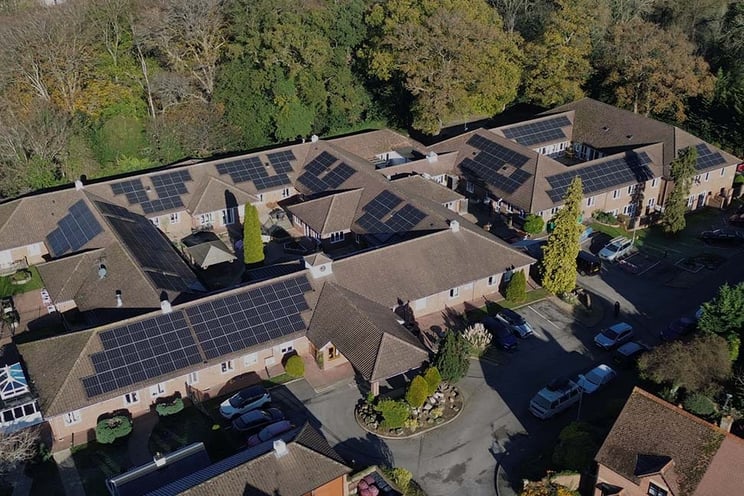
Across Spirit Energy's 23-site rollout for B&M Care Homes, internal rate of return ranges from 19 to 30 percent, and payback periods run from three to six years. That spread is not a sign of inconsistent work. It is what happens when the same design team and the same installation standard are applied to buildings that each have a different roof, a different daytime load, and a different grid connection.
Topics: Solar PV
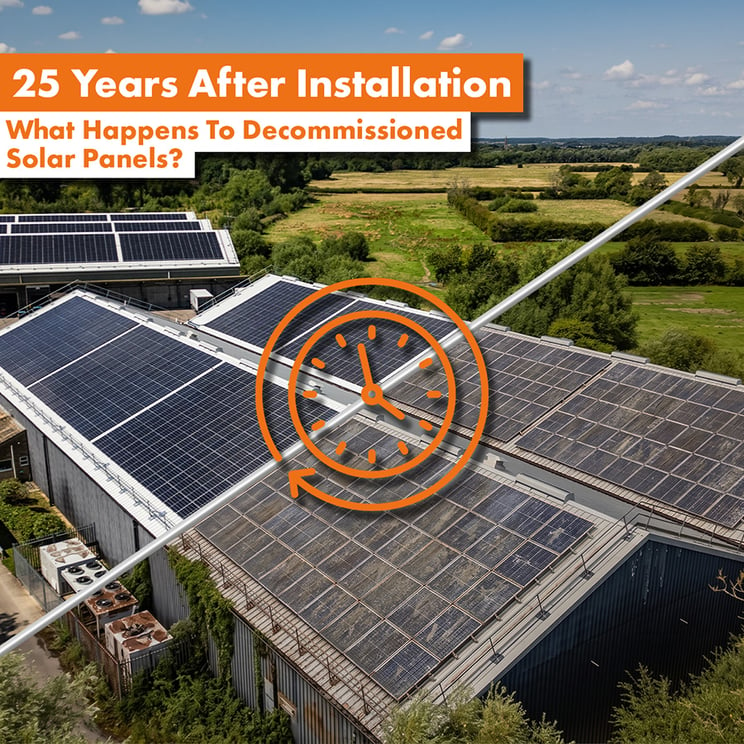
A commercial solar array does not stop generating after 25 years. The average panel degrades by around 0.5% each year, so a system installed on day one is typically still producing roughly 87% of its original output twenty five years later. The real planning question for a Finance Director or Operations Manager is not whether the array survives that long. It is what happens to those panels, and what the business is required to do, once they are retired.
Topics: Maintenance, Solar PV, Benefits of Solar PV
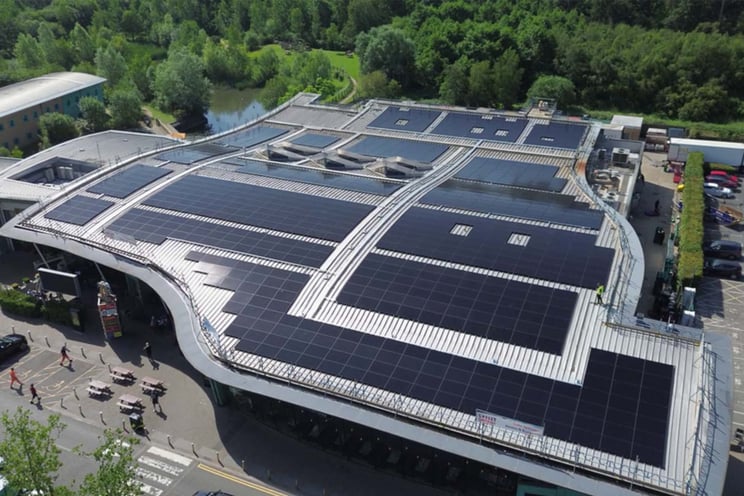
Beaconsfield Services on the M40 has 840 solar panels on its roof, forecast to save the business around £67,000 in the first year alone. That single roof illustrates why motorway service stations, among the most electricity-hungry buildings in the UK, are also among the best candidates for commercial solar. The reason comes down to how relentlessly these sites use power, and how much of that demand solar can offset directly.
The Minimum Energy Efficiency Standards (MEES) currently require commercial properties in England and Wales to hold an EPC rating of E or higher to be let on a new or existing tenancy. That has been the law since 1 April 2023. Properties below E are unlettable unless a valid exemption is registered.
Topics: Solar PV
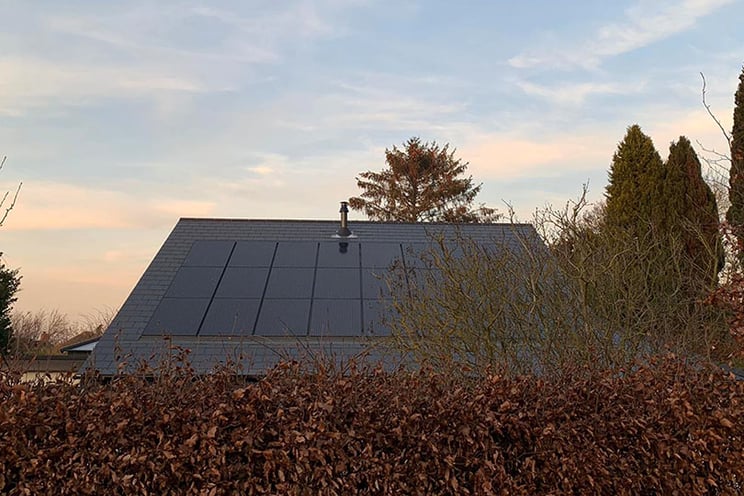
TL;DR From 24 March 2027, every new home in England must have solar PV under the Future Homes Standard in accordance with the final Approved Documents. It is a functional requirement of Building Regulations, not an optional upgrade.
TL;DR
Care homes have one of the most consistent and unavoidable energy profiles of any building in the UK. Heating runs all day. Lighting runs all night. Medical equipment does not pause. Staff are on site around the clock. There is no quiet period where you can simply switch things off and wait for cheaper rates.
Topics: Solar PV
TL;DR
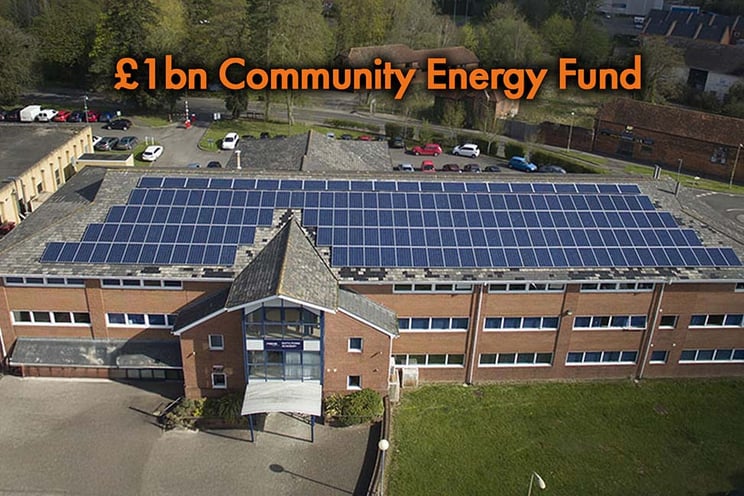
The UK Government has announced up to £1 billion of investment into community and local energy projects under its “Local Power Plan”, delivered via Great British Energy. The stated aim is to help communities and local authorities own and benefit from clean power projects, with funding expected to be delivered through grants and loans, and further scheme detail due later. (GOV.UK)
Running a charity is a constant balancing act. You're always trying to maximise your impact while keeping a close eye on the budget. Every pound spent on utility bills is a pound less for your core mission. It's frustrating, isn't it? Especially when energy prices feel like a rollercoaster you never signed up for.