

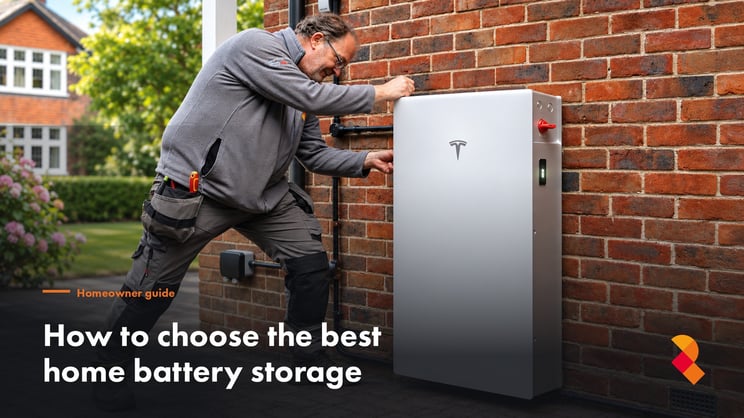
Home battery storage saves money by storing electricity when it’s cheap and using it when it’s expensive, so on a 7p overnight rate and a 27p peak rate, every unit it shifts is worth 20p. That only adds up if the battery is the right size, can still charge on a cold winter night, and is backed by a company that will be around to honour the warranty. This guide covers the specs that decide whether a battery pays for itself.
Recent Posts
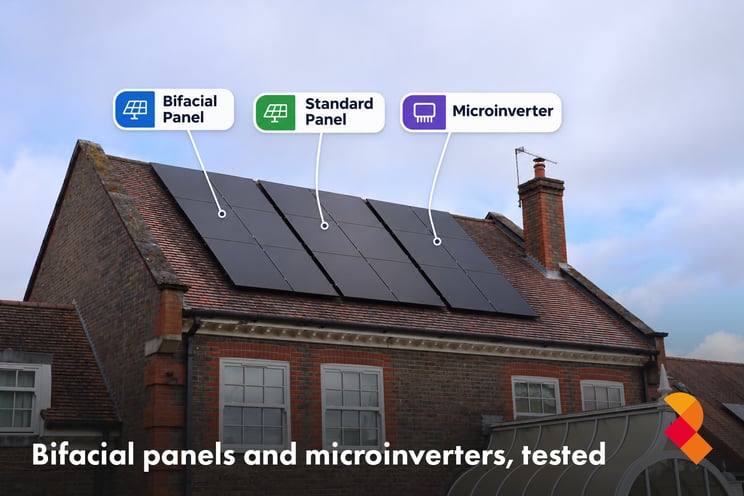
Microinverters usually cost £100 to £130 more per panel than a string inverter, and the best side-by-side test on an unshaded roof found they produced only about 0.5% more electricity. That test was run in 2011, so Spirit Energy and Gary Does Solar have built a new one on a real UK roof, with 24 LONGi panels split into three independently metered blocks. Over the coming years it will show whether microinverters earn their cost without shade, and whether bifacial panels generate anything extra from the back on an ordinary tiled roof.
Topics: Solar PV, Inverters, Benefits of Solar PV
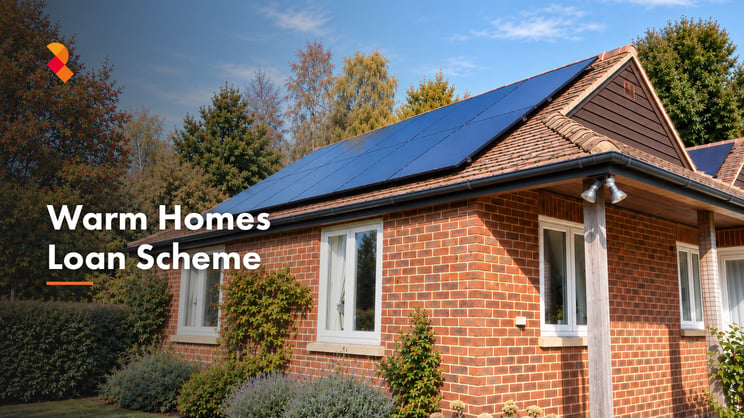
The Warm Homes Loan Scheme, which opened on 27 October 2026, lets UK homeowners borrow up to £15,000 for solar panels and a further £15,000 for a home battery. The interest rate can be up to 5 percentage points lower than on a normal loan. It isn’t a grant, so you still repay every pound you borrow, but on the government’s own example of £10,000 over seven years the lower rate saves £1,993 in interest. The discount gets smaller the longer you borrow, and the loan does nothing to protect you from a poor installer, which is where most of the risk sits.
Topics: Financing, Solar PV, Benefits of Solar PV, EPC rating
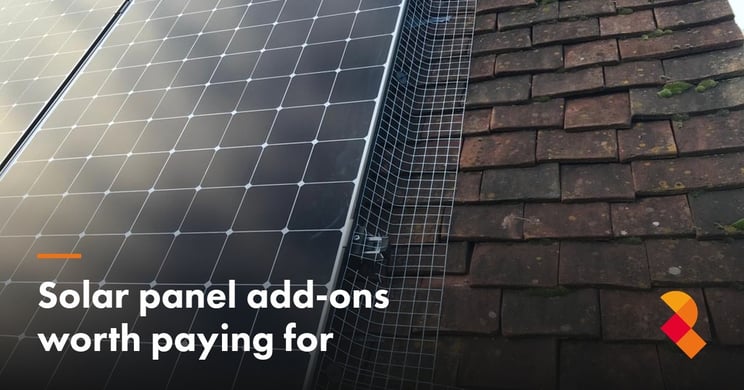
The add-ons on a UK solar quote fall into three groups. Bird mesh costs about £25 a panel and ArcBox connector enclosures about £25 each, and both are cheapest fitted during the main install, because adding them later usually means paying £600 to £800 for scaffolding again. Hot water diverters and optimisers only pay off in specific homes, and a mains voltage optimiser sold to solar owners is one to refuse.
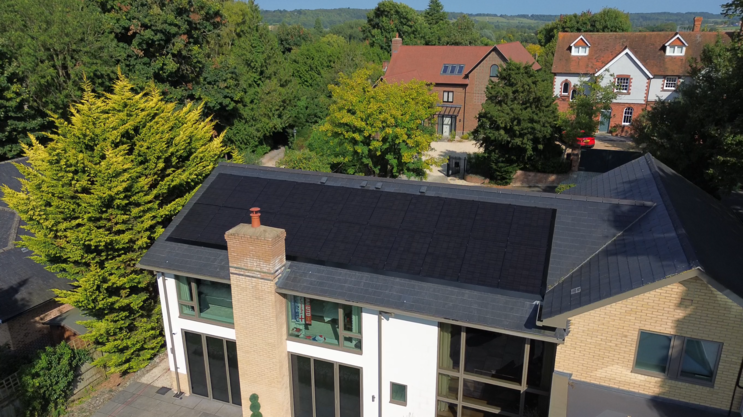
Solar panels are typically warranted for 25 years, and field data shows they lose only around half a percent of their output each year. A 50 kWp array Spirit Energy installed near Winchester in December 2011 had its best year ever in 2022, when it generated 54,600 kWh at 11 years old. On most systems the inverter, not the panels, is the first part to need replacing, usually somewhere between years 10 and 15.
Topics: Maintenance, Solar PV, Inverters, Benefits of Solar PV
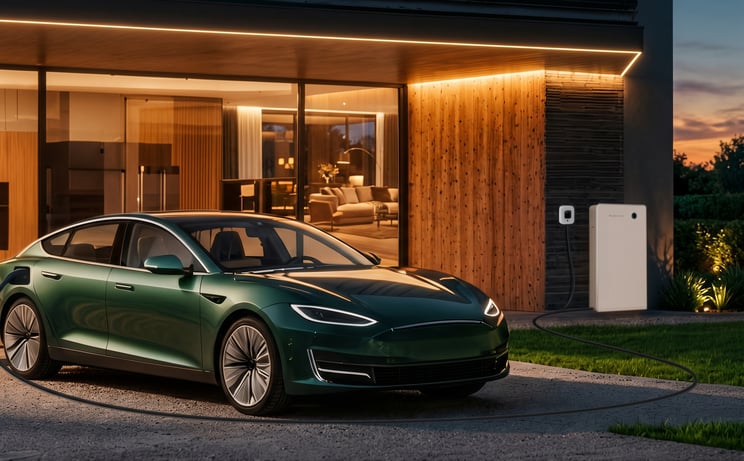
The Sigenergy SigenStor is a modular home battery system that combines a solar inverter, a battery inverter and energy management in one stacked unit, with up to six battery modules giving a maximum of 52.56 kWh of usable storage per stack. Its biggest strength is flexibility, because you can mix module sizes and add storage years after installation. Its biggest catch is that the inverter rating is fixed, so the one decision you can't easily change later is the one to get right first.
Topics: Battery storage, Inverters