

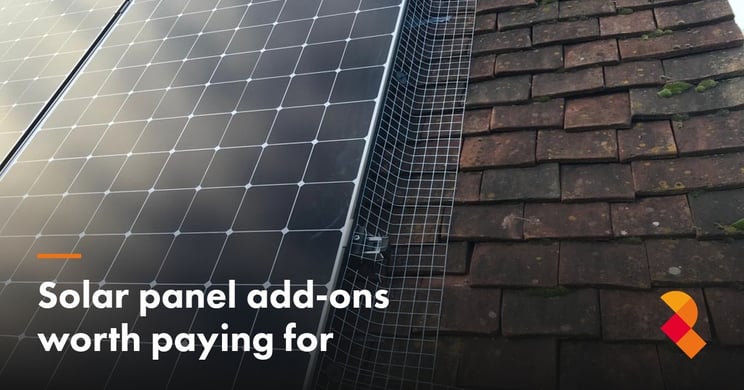
The add-ons on a UK solar quote fall into three groups. Bird mesh costs about £25 a panel and ArcBox connector enclosures about £25 each, and both are cheapest fitted during the main install, because adding them later usually means paying £600 to £800 for scaffolding again. Hot water diverters and optimisers only pay off in specific homes, and a mains voltage optimiser sold to solar owners is one to refuse.
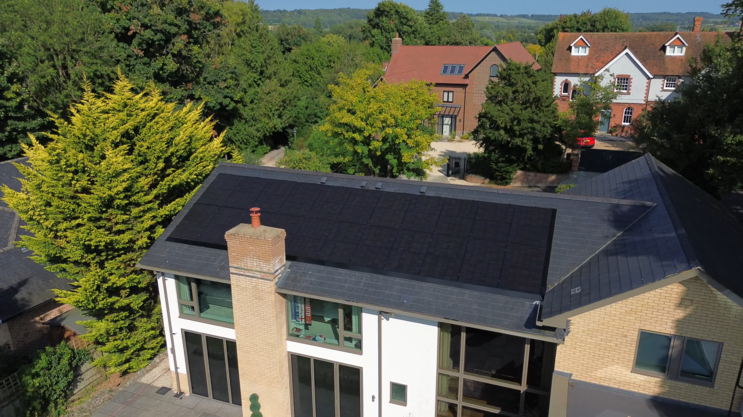
Solar panels are typically warranted for 25 years, and field data shows they lose only around half a percent of their output each year. A 50 kWp array Spirit Energy installed near Winchester in December 2011 had its best year ever in 2022, when it generated 54,600 kWh at 11 years old. On most systems the inverter, not the panels, is the first part to need replacing, usually somewhere between years 10 and 15.
Topics: Maintenance, Solar PV, Inverters, Benefits of Solar PV
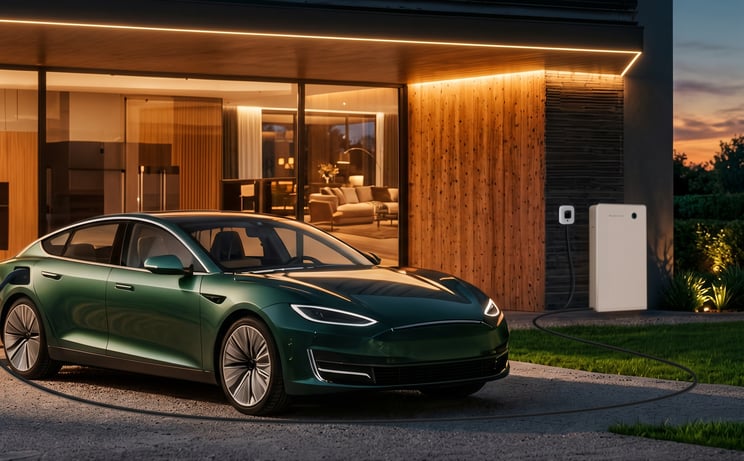
The Sigenergy SigenStor is a modular home battery system that combines a solar inverter, a battery inverter and energy management in one stacked unit, with up to six battery modules giving a maximum of 52.56 kWh of usable storage per stack. Its biggest strength is flexibility, because you can mix module sizes and add storage years after installation. Its biggest catch is that the inverter rating is fixed, so the one decision you can't easily change later is the one to get right first.
Topics: Battery storage, Inverters
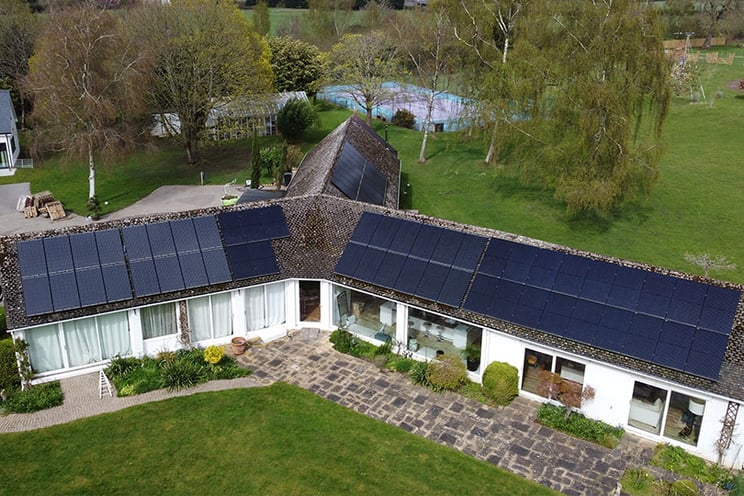
The AIKO Neostar 3 and the LONGi S10 are two of the most advanced home solar panels sold in the UK, and at 495W there is very little between them. AIKO is slightly more efficient per square metre (24.8% against 24.3%), while LONGi loses less output in heat and offers an identical 30-year performance guarantee. On most UK roofs, either panel gives you the same system size, so the better choice depends on your roof's heat, shading and layout rather than the brand.
Topics: Solar PV
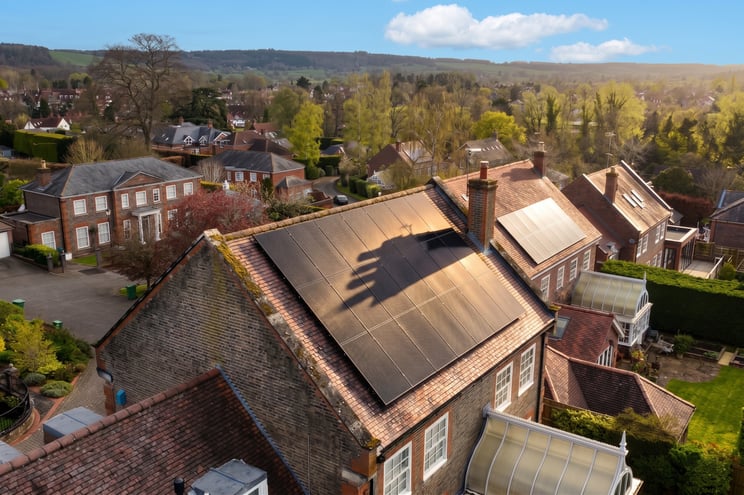
Shade reduces solar output in steps rather than gradually, because a single shaded cell on a standard panel can switch off a third of it. On most UK homes the cheapest fixes are design decisions that cost nothing: mounting panels to suit the direction the shadow runs, and putting shaded panels on their own inverter input. During testing, micro inverters recovered 40 to 50% of the output lost to shade, so they are worth fitting only when that extra generation pays back comfortably inside the warranty period.
Topics: Solar PV, Calculator, Inverters, Benefits of Solar PV

Ofgem granted Tesla Energy Ventures an electricity supply licence on 11 March 2026, making Tesla the only home battery manufacturer in Great Britain that can also sell a household its electricity (Octopus is releasing a home battery soon too!). The hardware has moved with it, and a three-phase Powerwall went on sale in Germany on 23 April. A Powerwall is the way into all of it.
Topics: Battery storage, Tesla Powerwall
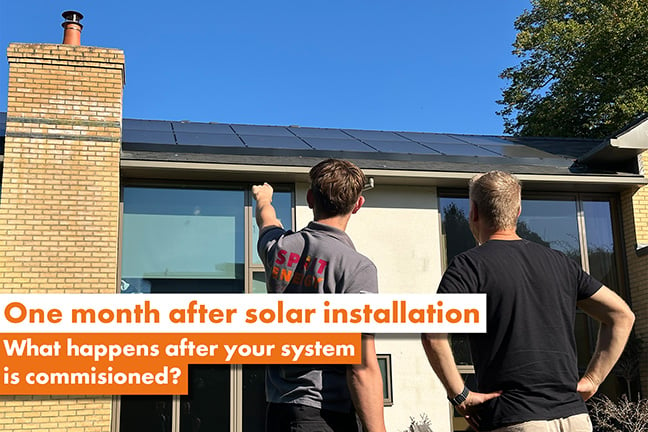
Your MCS certificate should reach you within 30 days of your system being commissioned, and without it no supplier will pay you for exported electricity under the Smart Export Guarantee. That deadline sits with MCS rather than with your installer, and it applies to certified domestic installations across the UK. The month after commissioning is when the certificate, the grid paperwork and the export application all need to happen, and none of the three is automatic.
Topics: Maintenance, Solar PV
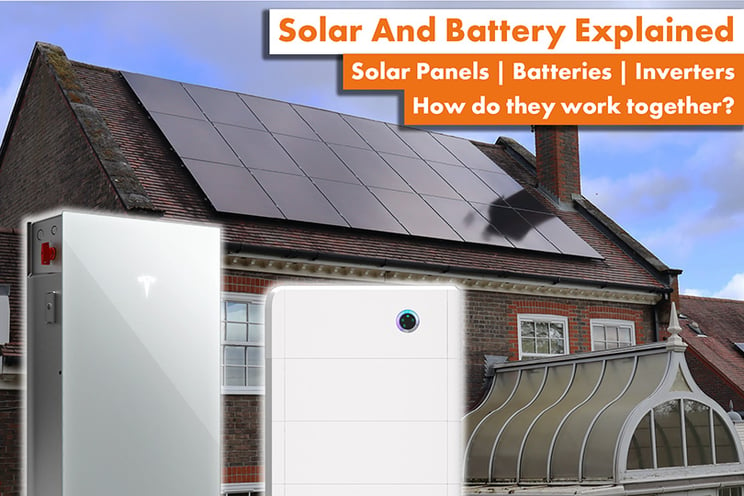
Every solar and battery system comes down to three parts: the panels, the battery and the inverter. Everything else is cabling and optional extras. A typical UK home system with a battery costs somewhere between £9,000 and £14,000 at today's prices and usually pays for itself in around seven years, after which it carries on generating for decades, as the systems Spirit Energy installed in 2010 are still doing.
Topics: Battery storage, Solar PV, Benefits of Solar PV
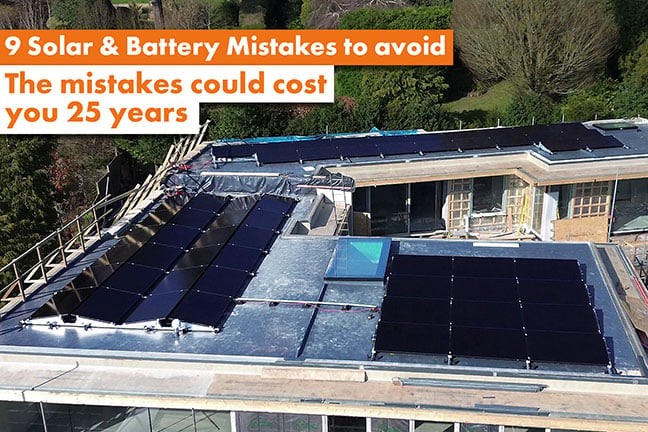
These nine mistakes account for most of the money lost on a UK solar and battery installation, and nearly all of them are made at the quotation stage rather than on the roof. The most expensive is fitting fewer panels to bring the price of a quote down, because the panels themselves are only around 5 to 10% of the total cost of the job. Spirit Energy has designed and installed these systems since 2010, and the same errors still turn up in the quotes homeowners bring in for a second opinion.
Topics: Battery storage, Maintenance, Tariffs, Solar PV, Tesla Powerwall, Inverters, Benefits of Solar PV
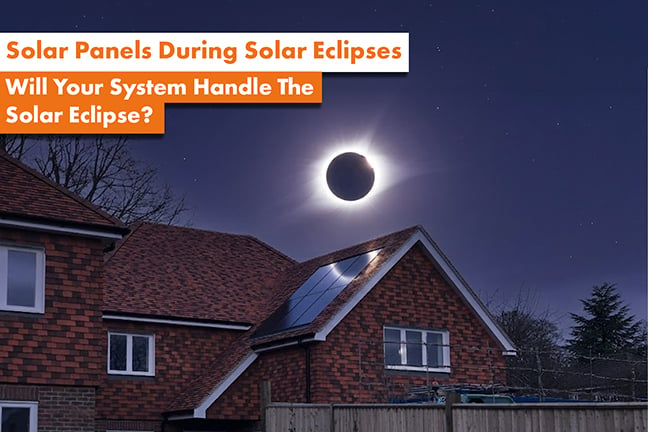
Britain will see its deepest solar eclipse in decades this evening, with as much as 96% of the sun blocked by the moon in parts of the country, the closest the UK has come to totality since the total eclipse over Cornwall in 1999. The dip lasts around two hours and will barely register on a typical home solar system's annual output, since the effect behaves much like a passing bank of thick cloud. It matters far more to the national grid than to your roof, which is why Octopus Energy is running a UK wide power down session between 6pm and 8pm tonight.
Topics: Battery storage, Maintenance, Off grid, Solar PV, Benefits of Solar PV